The Benefits of Dry Sauna: Why Heat Might Be One of the Most Underrated Tools for Mental Fitness
recovery | nervous system | performance
Dry sauna is not magic.
It is not a shortcut, a detox miracle, or a replacement for sleep, movement, hydration, therapy, or medical care.
But used wisely, dry sauna can be a powerful recovery tool. It creates a controlled stressor for the body. Your heart rate rises. You sweat. Blood flow changes. Your nervous system has to respond. Then, when you cool down, breathe, hydrate, and rest, the body gets a chance to practice coming back to balance.
That is why I like sauna from a cognitive fitness perspective.
It is not just about heat. It is about learning how to meet discomfort, stay calm, recover, and build resilience.
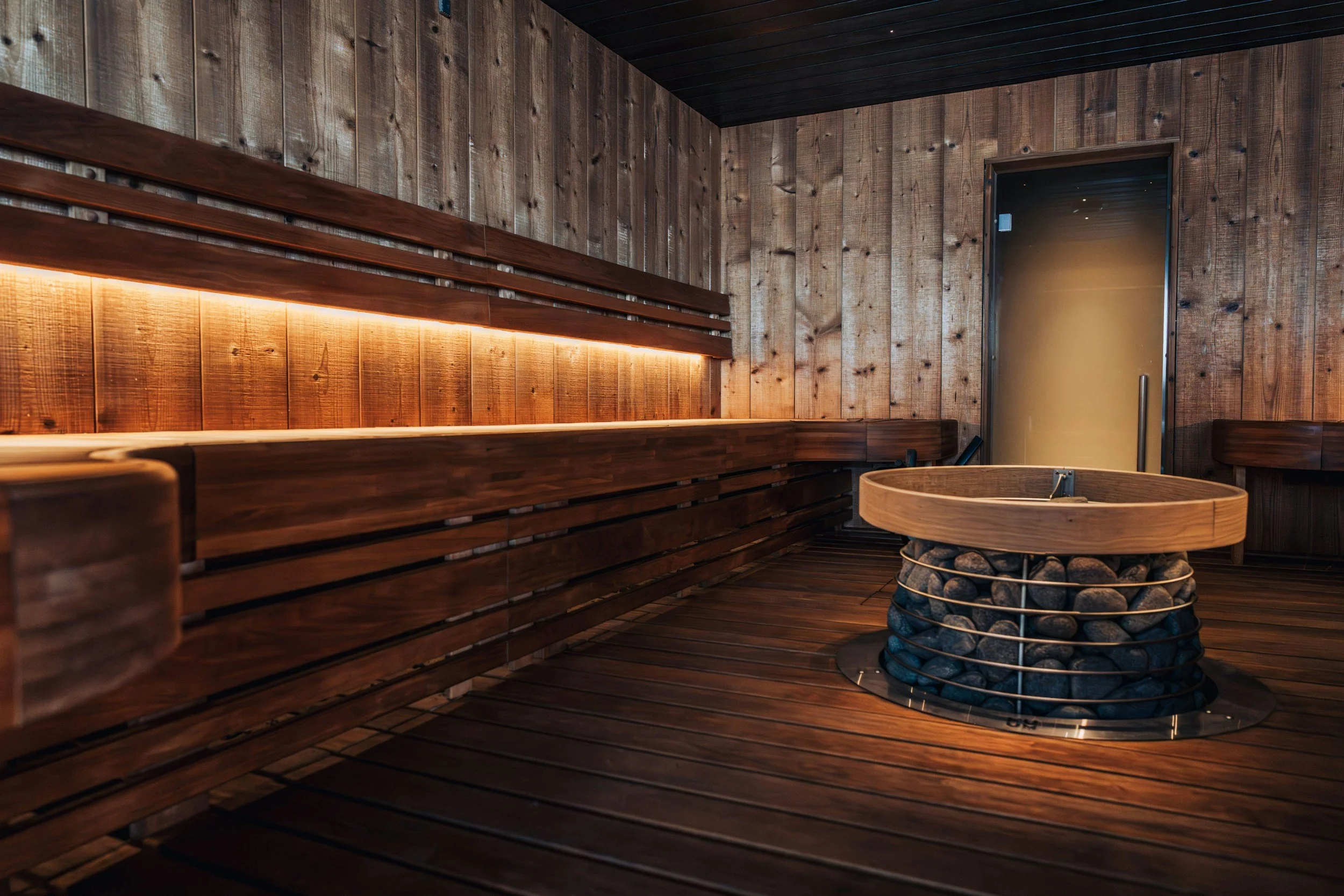
Heat as Practice
A simple room, a controlled stressor, and a chance to come back to yourself.
Sauna May Support Cardiovascular Health
One of the strongest areas of sauna research is cardiovascular health. A well-known Finnish cohort study published in JAMA Internal Medicine followed 2,315 middle-aged men for a median of 20.7 years and found that more frequent sauna bathing was associated with lower risk of sudden cardiac death, fatal coronary heart disease, fatal cardiovascular disease, and all-cause mortality. The researchers were careful to note that more studies are needed to better understand the mechanisms and confirm the findings in other populations.
That matters.
When you sit in a dry sauna, your body responds in ways that can look similar to light or moderate exercise. Your heart rate rises, circulation shifts, and your body works to manage heat. Mayo Clinic also notes that sauna use can produce reactions similar to moderate exercise, including vigorous sweating and increased heart rate.
This does not mean sauna replaces exercise. It does not.
But for people who are training hard, recovering from stress, or trying to support long-term health, sauna can become a useful addition to the bigger system.
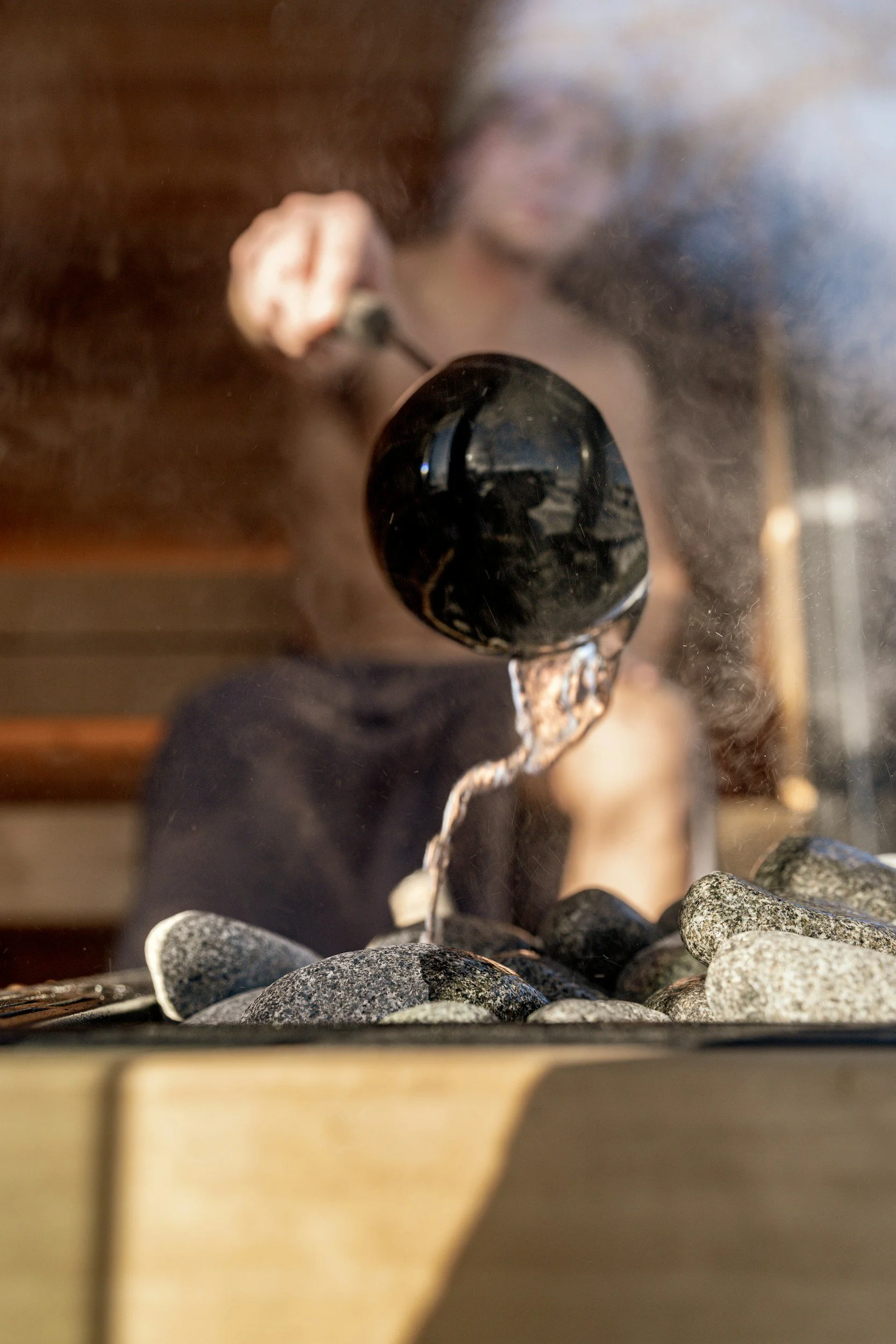
The Heart Responds
Dry sauna gently challenges the cardiovascular system in ways that may support long-term health.
Sauna Can Help Shift the Nervous System
A lot of people think of sauna as a muscle recovery tool. That is true, but I think the nervous system benefits may be just as important.
Heat gives the body a clear signal: “This is uncomfortable, but I am safe.”
That is valuable training.
In a dry sauna, you can practice slow breathing, staying present, and relaxing the face, jaw, shoulders, and belly while the body is under heat stress. That combination can help train emotional regulation because you are practicing calm inside discomfort.
This is one of the core principles of cognitive fitness:
calm body, clear mind, strong life.
The body leads. The mind follows.
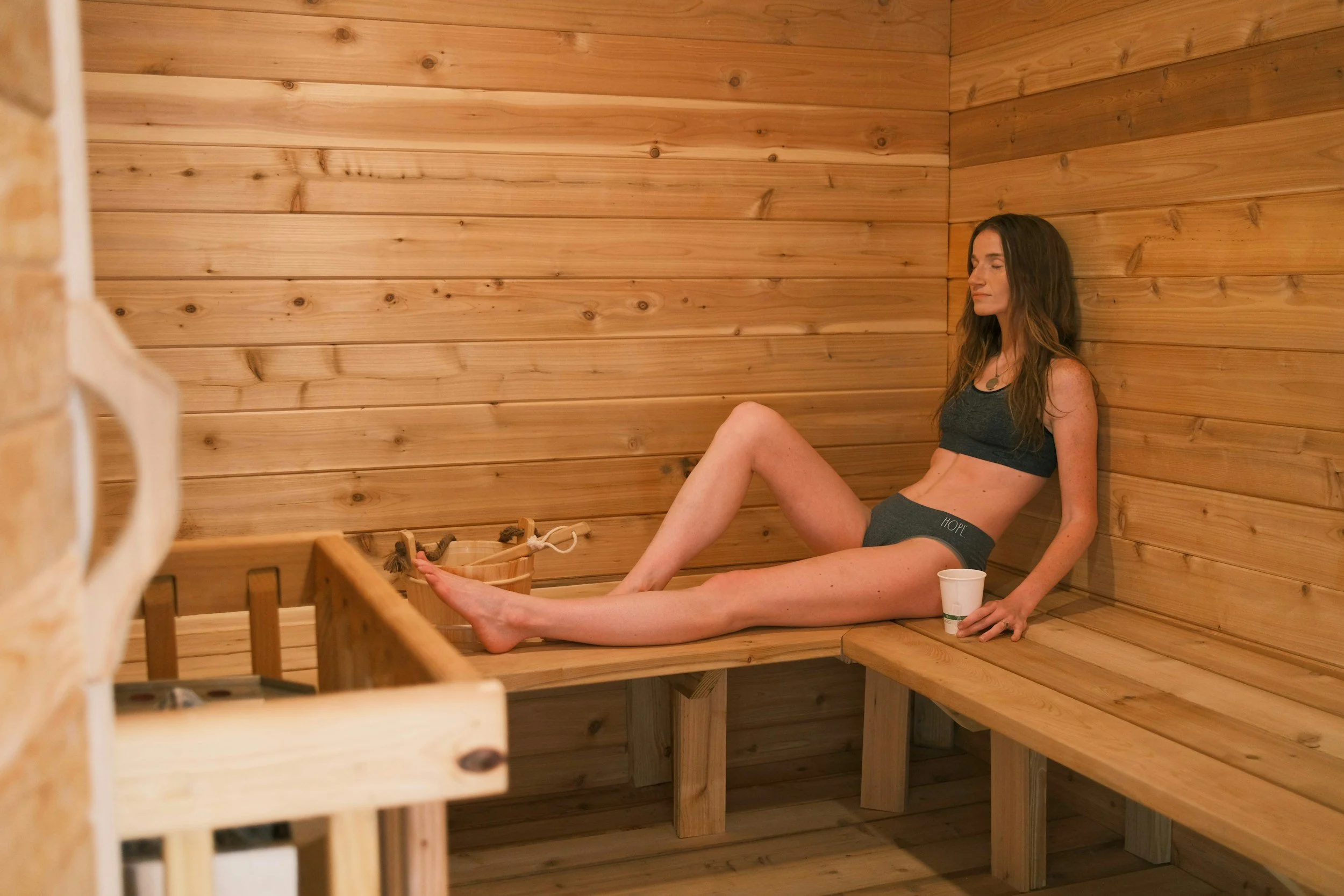
Calm Inside Discomfort
The heat rises, the breath slows, and the body learns it can stay steady.
Sauna May Support Mood and Stress Recovery
There is also emerging research on heat exposure and mood. A randomized clinical trial published in JAMA Psychiatry studied whole-body hyperthermia in people with major depressive disorder and found that a single active heat treatment was associated with reduced depression scores compared with a sham condition across a six-week follow-up period. This was not a standard dry sauna study, and it should not be oversold, but it does point toward an interesting relationship between heat exposure, body temperature regulation, and mood.
For everyday use, the more practical point is simple:
Sauna creates a pause.
You step away from the phone. You stop multitasking. You sweat. You breathe. You sit with yourself.
For many people, that alone is medicine.

Stillness Changes the Signal
No phone. No noise. Just heat, breath, and a nervous system learning to settle.
Sauna Can Support Recovery After Training
For runners, cyclists, lifters, and active people, dry sauna can be a strong recovery ritual when used intelligently.
After training, sauna may help you downshift, loosen tension, and create a clear transition from exertion into recovery. It can also pair well with hydration, mobility, quiet breathing, and a proper meal.
The mistake is turning sauna into another competition.
Longer is not always better. Hotter is not always better. More intense is not always better.
The win is not proving how tough you are. The win is leaving the sauna feeling clearer, calmer, and recovered.
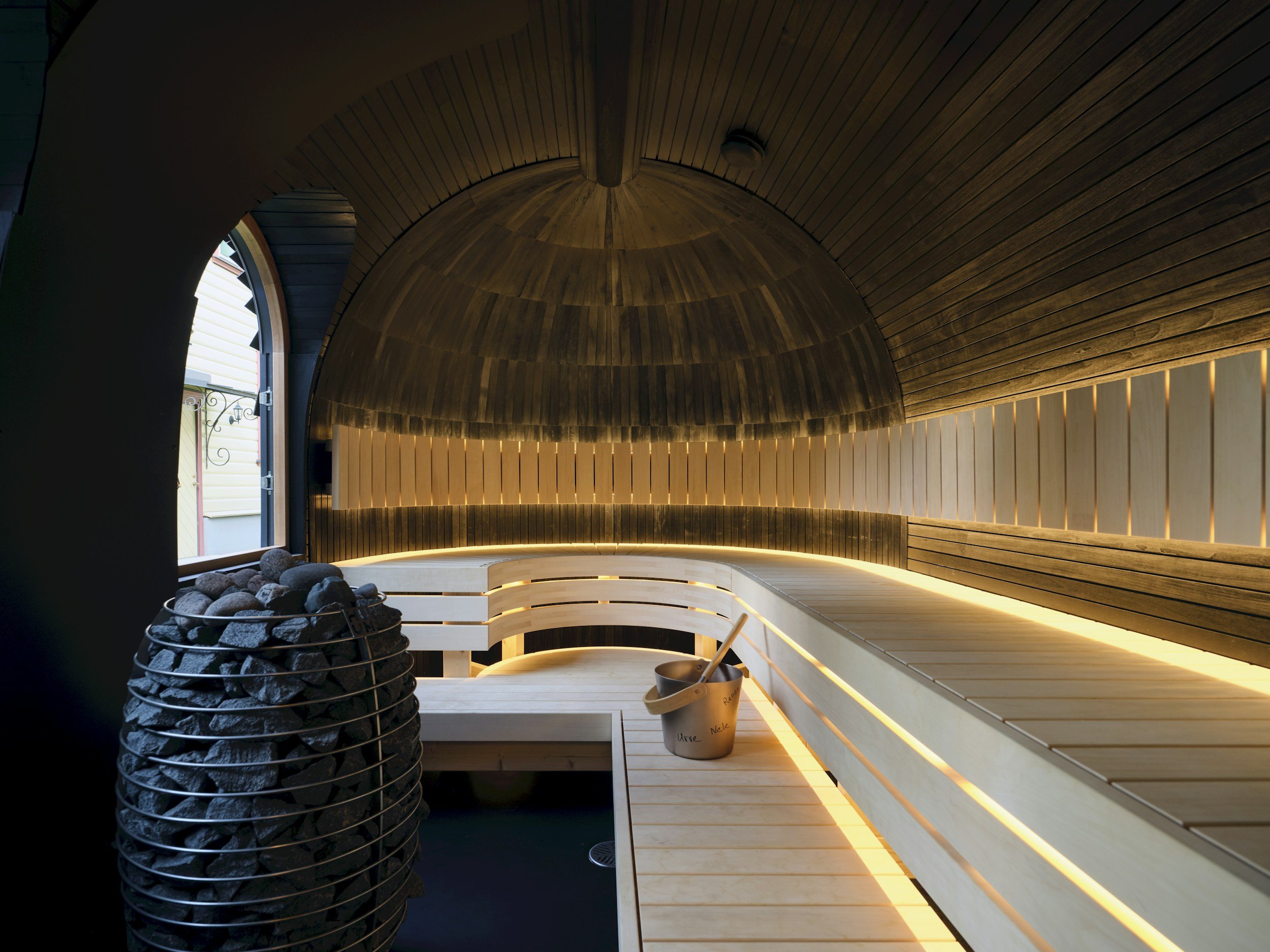
Recovery Is Training
The work does not end when the workout stops. Adaptation happens when the body recovers.
Sauna Builds Voluntary Discomfort
This is where sauna becomes mental training.
You choose discomfort on purpose. You enter the heat. You stay aware. You breathe. You notice the urge to escape. You do not panic. You do not fight the experience. You work with it.
That is a powerful skill.
Life will bring discomfort anyway. Sauna gives you a controlled place to practice your relationship with discomfort.
Not everything hard is harmful.
Not everything uncomfortable is dangerous.
Not every stress signal needs to become a panic response.
That lesson carries over into parenting, leadership, recovery, training, conflict, and everyday stress.
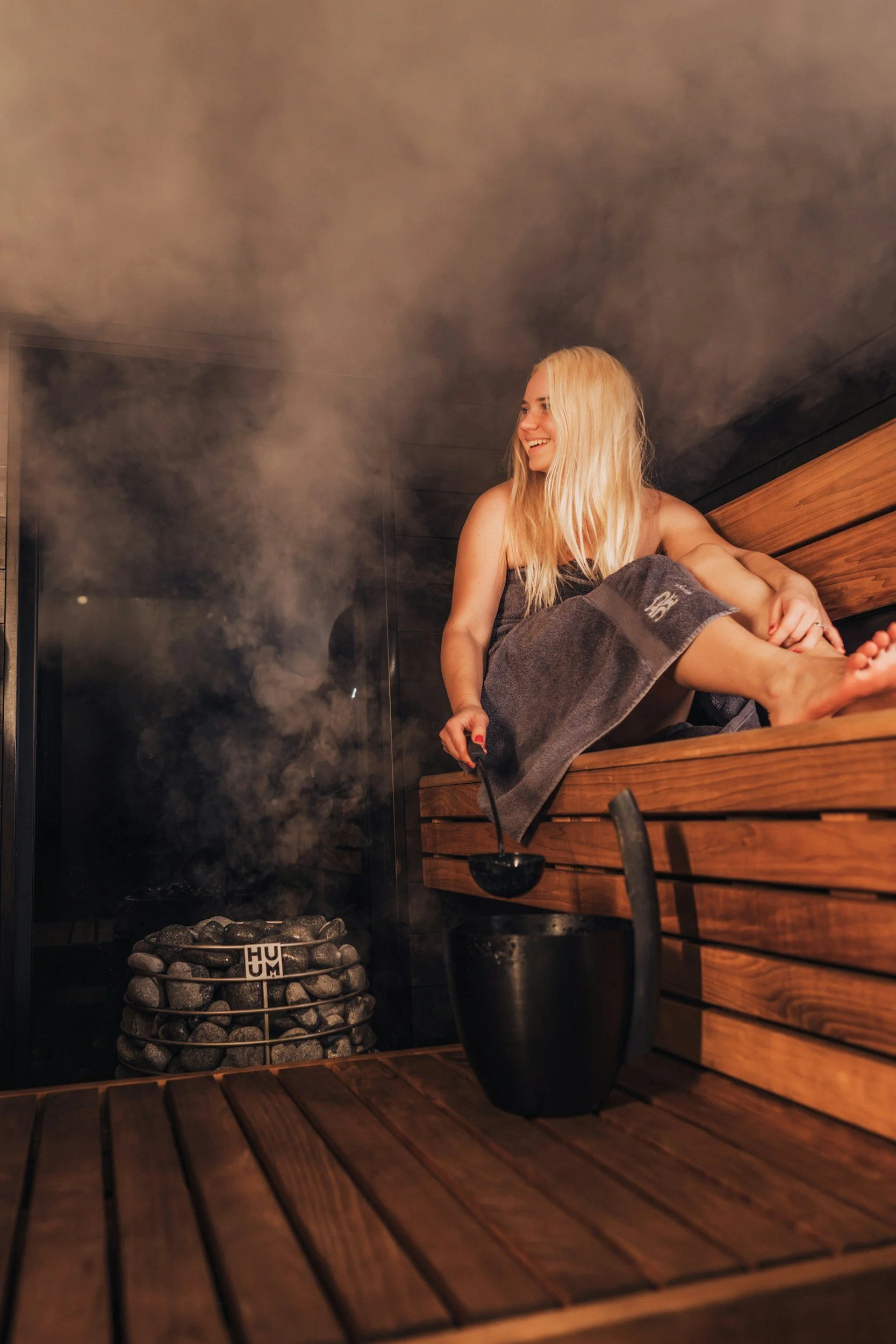
Chosen Discomfort Builds Resilience
Not every stress signal is danger. Sauna gives you a safe place to practice that truth.
How to Use Dry Sauna Safely
Start conservatively. A good beginner session might be 5 to 10 minutes. More experienced users may work toward 15 to 20 minutes, depending on heat, hydration, health status, and personal tolerance. Brown Health recommends avoiding alcohol, limiting sauna sessions to 15 to 20 minutes, cooling down gradually, hydrating afterward, and leaving immediately if you feel unwell.
Sauna is not appropriate for everyone. People with unstable heart disease, recent heart attack, uncontrolled hypertension, decompensated heart failure, severe aortic stenosis, low blood pressure, dehydration, fever, acute infection, or other medical concerns should speak with a healthcare professional before using a sauna.
A simple sauna protocol:
Hydrate before you go in.
Start with 5 to 10 minutes.
Breathe slowly through the nose when possible.
Cool down gradually.
Rehydrate afterward.
Stop if you feel dizzy, nauseous, weak, or unwell.

Stress. Breathe. Recover. Adapt.
Used wisely, dry sauna becomes more than heat. It becomes nervous system training.
The Cognitive Fitness Takeaway
Dry sauna is not just about sweating.
It is a practice in recovery, regulation, and resilience.
You expose the body to controlled stress. You stay present. You breathe through discomfort. Then you recover.
That is the pattern we are training:
Stress.
Awareness.
Regulation.
Recovery.
Adaptation.
Used wisely, dry sauna can become more than a wellness trend. It can become a practical tool for building a calmer body, a clearer mind, and a stronger life.